


Hair Growth
Do you struggle with hair growth?
Although we believe that hair health is more important than hair length, we know length is a goal for many. While curly hair grows at the same rate as other hair types, several factors can impact its length retention and overall health. Here are common hair growth concerns for people with curly hair and ways to address them:
1. Shrinkage

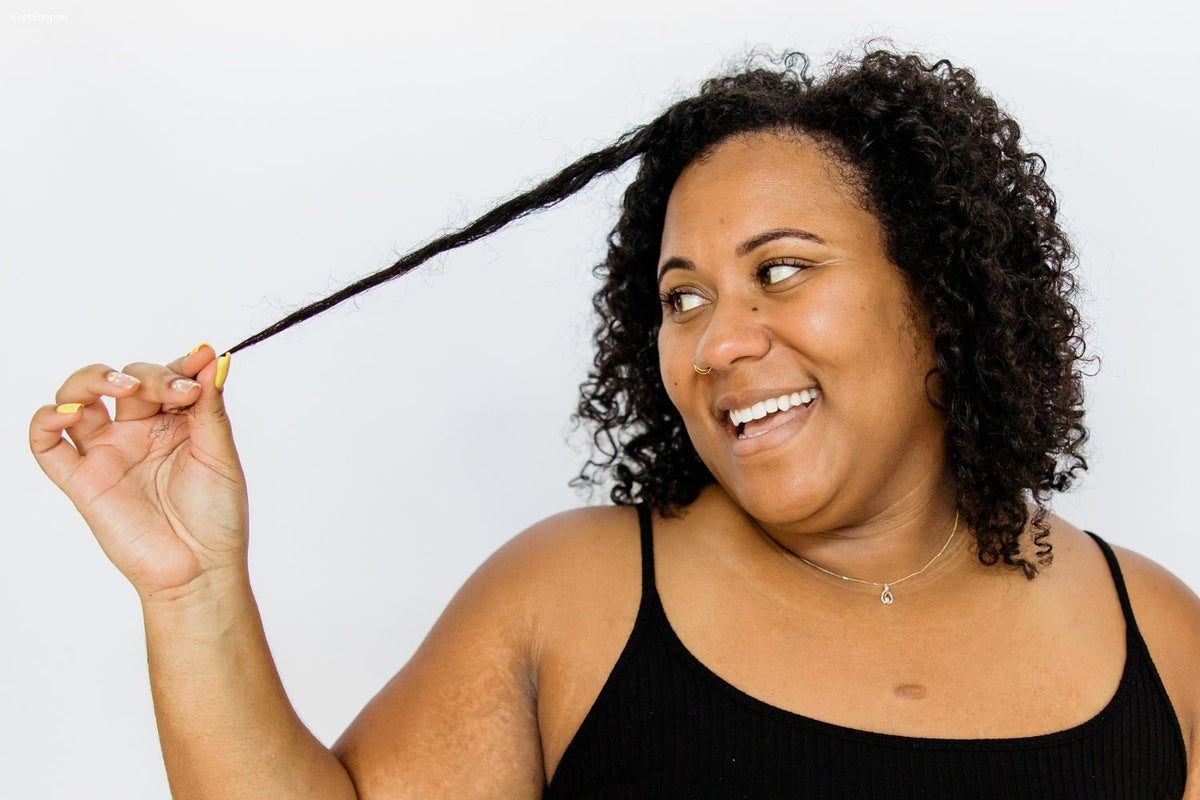
One of the most common challenges with curly hair is shrinkage, where tight curls make hair appear much shorter than its actual length. This can sometimes create the illusion that your hair isn’t growing, even when your hair growth is progressing normally. Understanding shrinkage can help you appreciate your hair’s true length and recognize the progress you’re making along your hair journey.
Solution: To help showcase your hair growth, stretching techniques like braid-outs, twist-outs, or using a blow dryer on a cool setting can help reduce the appearance of shrinkage. With that being said, we encourage all to try embracing their natural shrinkage, as it's a sign of healthy curls!
2. Breakage

Curly hair is more prone to breakage due to its increased susceptibility to dryness, tangles, knots, and damage from over-manipulation. When hair breaks faster than it retains length, it can make it seem like your hair growth has stalled. Maintaining proper moisture, handling your curls gently, and minimizing breakage can help support length retention and keep your hair looking and feeling its healthiest.
Solution: To help support your hair growth, regular moisturizing and sealing in the moisture is essential to prevent dryness. Minimizing heat styling and chemical treatments can also reduce breakage. In general, letting your hair just be is the best way to avoid breakage. We know that can be boring, but if length is the goal then the less manipulating, the better.
3. Split Ends

Curly hair is more prone to split ends due to its unique texture, which can make it more susceptible to dryness and damage. If left untrimmed, split ends can travel up the hair shaft, leading to further damage and reduced length retention. Regular trims help maintain healthy ends, minimize breakage, and support your hair growth journey by allowing you to retain more of the length you gain.
Solution: The most controversial approach to improving your hair growth is incorporating regular trims (every 8-12 weeks) into your routine. Maintaining healthy ends and preventing split ends from worsening will help support better length retention in the long run. If you keep up with regular trims you only need to trim about 0.5" each time.
4. Scalp Health

A healthy scalp plays a very important role in supporting hair growth. People with curly hair are more prone to product buildup which can lead to clogged hair follicles. Dryness, flaking, and irritation, are often signs of an unhealthy scalp environment. Regular scalp care is essential for maintaining a clean, balanced scalp and supporting healthy hair growth.
Solution: Keep your scalp clean and healthy by regularly cleansing with a clarifying cleanser/shampoo. Scalp massages with natural oils can also stimulate blood flow, promote hair growth, and help treat dryness or irritation. When in doubt about the health of your scalp, we always recommend reaching out to a professional for more assistance.
5. Nutritional Deficiencies

Just as nutrition plays an important role in your overall health, it also supports healthy hair growth. Your hair needs essential nutrients, including protein, vitamins, and minerals, to support the hair growth cycle and maintain strong strands. Nutritional deficiencies can contribute to hair shedding, weakness, and breakage. That’s why healthy hair care starts from the inside out, with a balanced diet that nourishes your body and supports your hair from within.
Solution: Hair growth starts from within. Ensure your diet includes foods rich in vitamins and minerals important for hair health, such as:
- Biotin: Found in eggs, nuts, and seeds
- Vitamin A: Found in leafy greens and carrots
- Vitamin E: Found in avocados and almonds
- Omega-3 fatty acids: Found in fish and flaxseeds
- Hydration is also essential, as water supports overall hair health and growth!
Final Thoughts
Be patient and focus on maintaining healthy hair rather than just measuring your hair growth by length. Hair growth is a slow process, averaging about half an inch per month. By maintaining a healthy routine with a focus on moisture, gentle handling, protective styling, and a balanced diet, you can maximize your curly hair growth potential while also keeping it strong and healthy (which is most important).
Disclaimer: The information contained in this article is provided for informational purposes only and is not intended to be used to diagnose or treat any health conditions. Medical advice should always come from your physician or a trained professional.
interested in reading more?
continue exploring
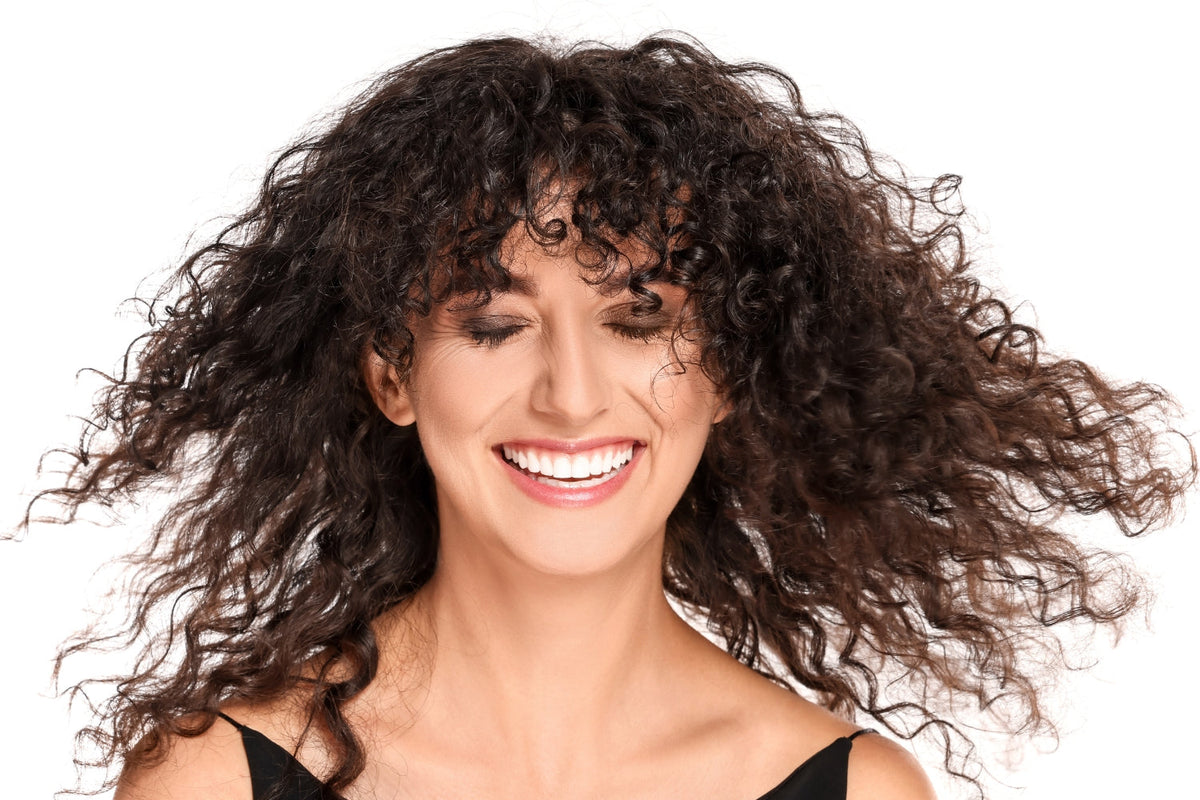
It's quite common for those with textured hair to have more than own curl type and pattern at the same time. Here's the best way to manage your hair if you have multiple curl patterns.
Read more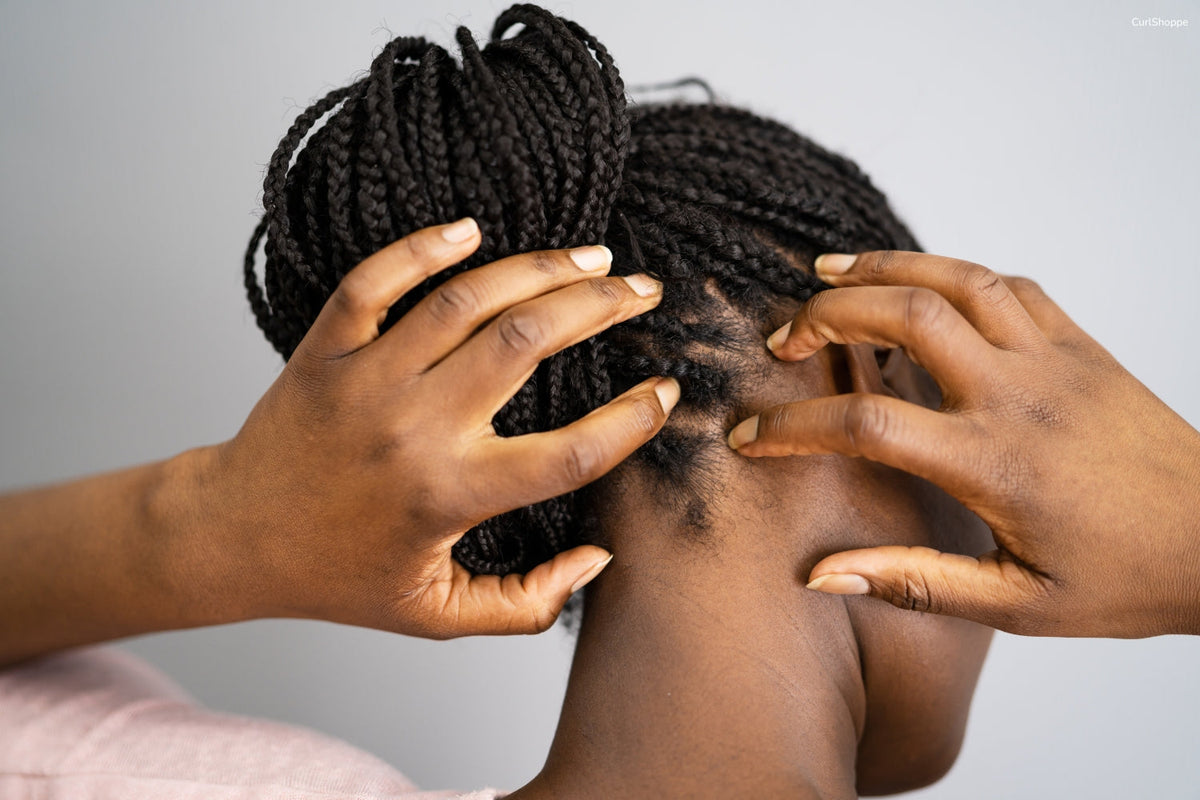
People with curly hair often face unique scalp concerns due to the structure and texture of their hair. Here are some common scalp concerns and suggested solutions.
Read more
