



Dry & Frizzy Hair
Why is my hair super dry and frizzy?
Dealing with dry, frizzy hair? You're not alone! Curly hair is naturally more prone to dryness and frizz because of its unique structure and its ability to retain moisture. The twists and turns of each strand make it harder for natural oils from your scalp to travel down the hair shaft. The result? Hair that can feel dry, look frizzy, and struggle to maintain definition.
While a little frizz is completely normal, persistent frizzy hair can sometimes indicate that your routine needs a few adjustments. Understanding what's causing the problem is the first step toward softer, more manageable curls.

Here’s why curly hair is often dry and frizzy:
Natural Structure of Curly Hair: The twists and turns of curly hair prevent the scalp's natural oils, known as sebum, from coating the entire hair shaft. In comparison, those with straight hair often deal with the opposite problem, greasy hair, because the natural oils can easily travel down the straight hair shaft. The lack of natural oil leaves curly hair drier, making it more prone to frizz.
Your Hair's Porosity Level: Hair porosity describes how easily your hair absorbs and retains moisture. Many people with curly hair have higher porosity, meaning their hair cuticles are more open, allowing moisture to escape quickly. This makes it difficult for curly hair to retain moisture, leading to dryness and frizziness.
Sulfates in Hair Products: Some shampoos contain strong cleansing agents that can remove too much of your hair's natural oils, leaving curls feeling rough or dry. If your hair feels stripped after washing, consider trying a gentler cleanser designed for curly hair. You don't necessarily need to avoid every sulfate, but finding a cleanser that suits your hair can help manage frizzy hair.
Overwashing: Washing curly hair too often strips it of the little natural oil it has, leading to even drier hair and more frizz. Curly hair generally needs less frequent washing to maintain moisture.
Heat or Chemical Damage: Frequent use of heat tools or harsh chemicals such as relaxer or bleach often results in damage that weakens the hair’s structure, increases porosity, and causes further dryness and frizz.
Humidity and Environmental Factors: In humid environments, the hair absorbs moisture from the air, which causes the strands to swell, leading to frizz. Conversely, in dry environments, curly hair may lose moisture to the dry air, worsening its dryness and frizziness.
Friction and Manipulation: Rough handling, such as using a regular towel to dry hair or sleeping on a cotton pillowcase, can create friction that leads to frizz. Using a microfiber towel and sleeping with a silk/satin bonnet or pillowcase can minimize frizz.
How to Combat Dryness and Frizz in Curly Hair:
Before changing your entire routine, take a moment to consider why your hair feels dry or looks frizzy. Is it your hair's porosity type? Is your hair damaged from heat or colour? Do you live in a very humid or dry climate? Understanding your circumstances will better equip you to tackle your specific concerns!

Here are some easy tips to help manage dry, frizzy hair:
1. Use Moisturizing Shampoos and Conditioners: Opt for sulfate-free, moisturizing products designed for curly hair.
2. Deep Condition Regularly: Incorporate deep conditioning masks weekly to hydrate and nourish dry hair.
3. Don't Skip Leave-In Conditioner: Use a leave-in conditioner after washing to keep hair moisturized.
4. Seal Moisture with Oils: After applying moisturizer or leave-in conditioner, seal it in with oils to prevent moisture loss.
5. Avoid Overwashing: Wash your hair less frequently (every 3-7 days, depending on your hair type) to prevent it from becoming too dry.
6. Use Heat Protectants: Always use heat protectant sprays when using heat-styling tools to minimize heat damage.
7. Reduce Friction: Use a microfiber towel or cotton T-shirt to dry your hair and sleep with a silk/satin bonnet or pillowcase to reduce friction that can cause frizz.
Final Thoughts
By adopting the right hair care practices and using the appropriate products, you can manage dryness and frizz in curly hair more effectively. With that being said, some dryness and frizz is totally normal for all types of curly hair! As long as your hair is healthy, try to embrace the frizz. 😊
Disclaimer: The information contained in this article is provided for informational purposes only and is not intended to be used to diagnose or treat any health conditions. Medical advice should always come from your physician or a trained professional.
interested in reading more?
continue exploring
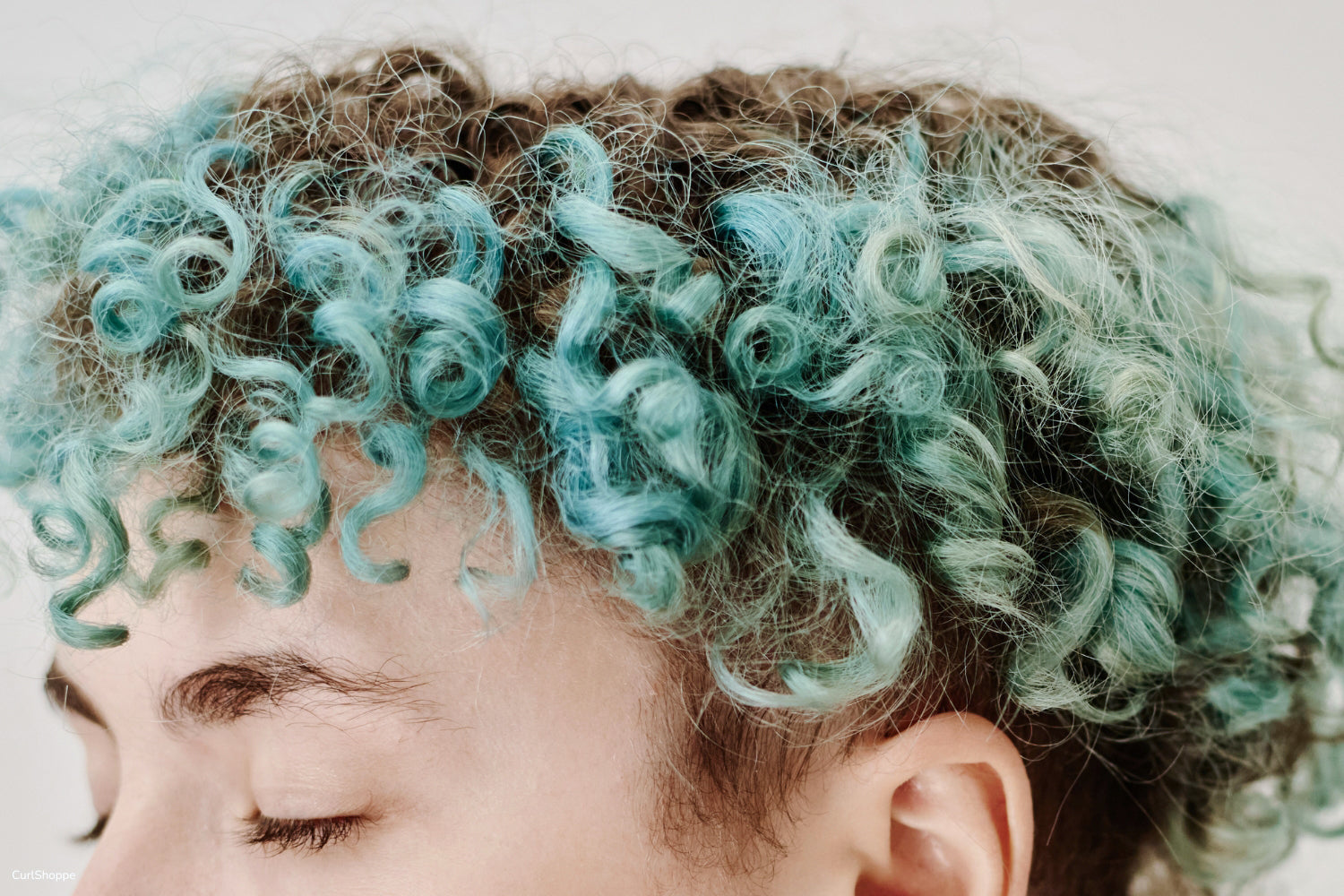
Looking for the best way to heal your colour or heat damaged hair? Here's an easy 10 step guide on how to best revive your curls and to bring that bounce and shine back.
Read more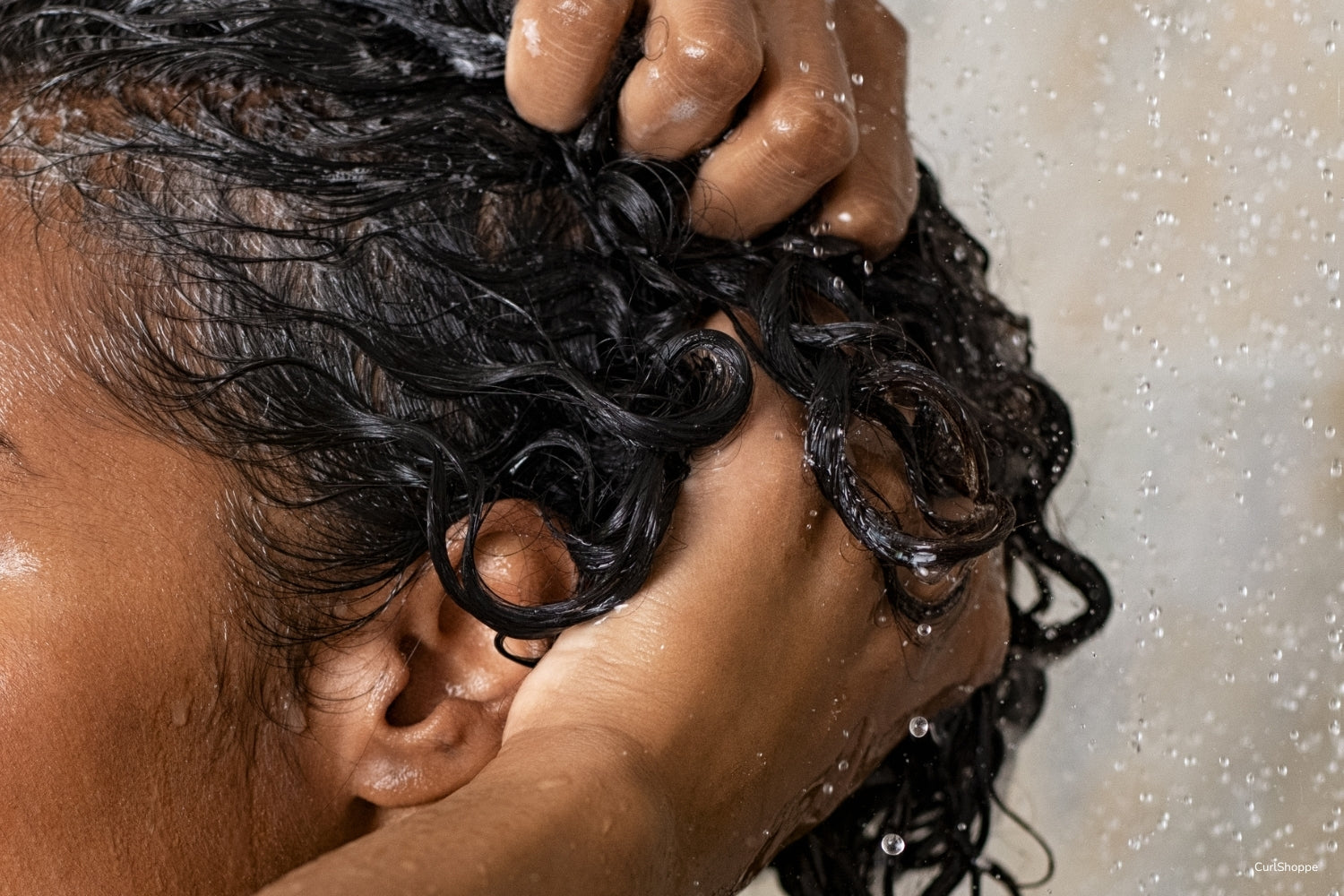
Not sure what porosity level your hair is? Here's an easy way to figure it out! Plus some product and styling tips and tricks best suited for your hair needs.
Read more
